
By Meadow Dibble
In just over two months, we have witnessed the scrubbing of inconvenient historical realities, the arbitrary firing of the National Archivist, the reinstatement of the tendentious 1776 Commission, and the promotion of “Patriotic History.”
In an executive order issued on March 27, 2025 titled “Restoring Truth and Sanity to American History,” the President claimed there has been a widespread effort over the past decade to rewrite U.S. history by replacing objective facts with a “distorted narrative driven by ideology rather than truth.” Astoundingly, this order also appeared to suggest that many of the Confederate-era place names and statues removed in recent years could be restored to their original sites.
Meanwhile, across government platforms, DOGE hacks have been conducting a purge of epic proportions to remove thousands of pages of online content highlighting the contributions of Native Americans, African Americans, and other historically marginalized groups—including women and members of the LGBTQ+ community—who faithfully served this nation. In this way, the original theft of land, liberty, labor, and voice suffered by these communities over the centuries is compounded with a present-day theft of memory. And memory matters.
Who is deemed worthy of remembrance correlates directly to who is allowed to feel they belong, who is protected, and who has rights.
What we’re witnessing today is a digital book burning. A massive obfuscation effort. An unconscionable falsification of the historical record aimed at re-centering white, male, cis-gendered figures as the sole agents of progress and national greatness. In this fictionalized narrative, oppression and exclusion never happened, or if any historical harms occurred, their impact was short-lived and has been effectively addressed. Today, the thinking goes, no one is owed anything based on their identity, because no identity has been marginalized. There’s nothing our institutions must atone or correct for. Onward. Slash and burn. Colonize. Exploit. Call it Manifest Destiny. Then scrub the record, and repeat.
As if our collective memory was that short.
This administration does not want a black box—a faithful archive, a reliable, unbiased, accurate account of who did what in the nation’s past. What those in power want is a blank slate. We can’t allow them to have it.
Let there be no mistake: the denial of past injustices is a strategy whose purpose is quite plainly to create the conditions for their perpetuation.
We at Atlantic Black Box want to lift up the many historical recovery efforts taking place in Maine and across New England, powered by committed community members actively surfacing suppressed truths and guided by the knowledge that whitewashed history leaves us all bereft and foundering.
Below are just a few initiatives—you might call them reconstituted “black boxes”—developed by some of our colleagues and friends. Check them out, and as you do, think about what kind of black box you might help to construct in your own area to preserve memory and truth in the name of justice.
The Prince Project Database
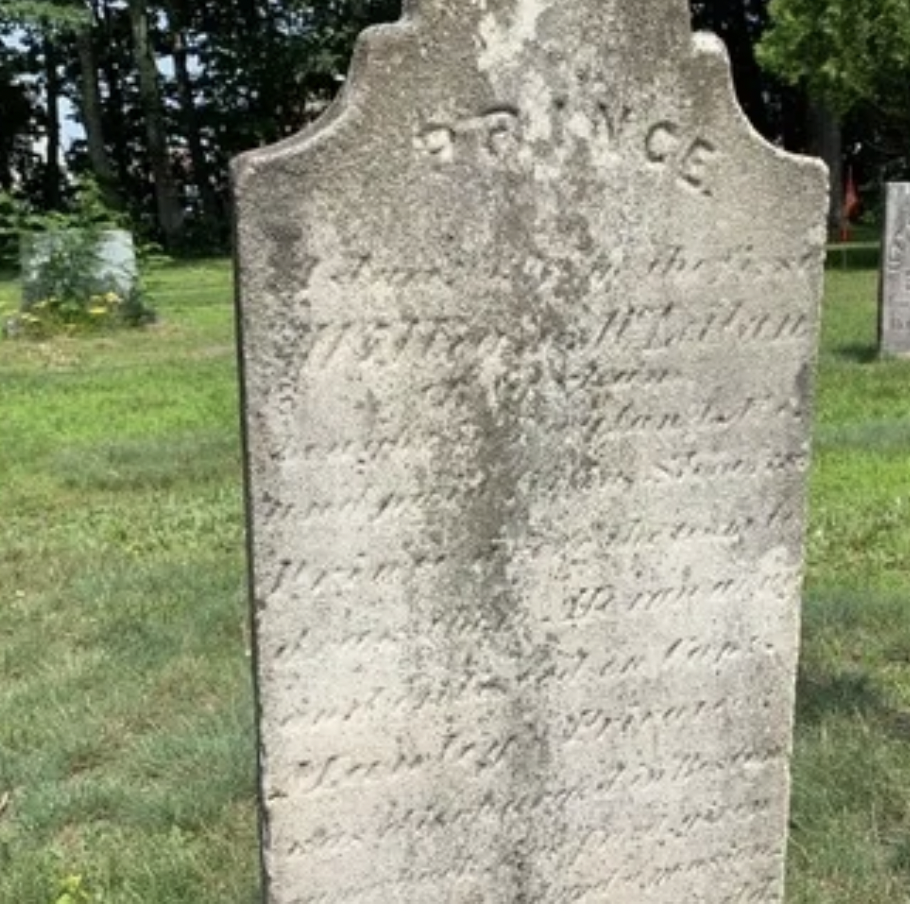
The Prince Project database contains information about over 2,000 individuals who were enslaved, or descended from enslaved people, and who lived in Maine in the 17th and 18th centuries. Researcher Vana Carmona has devoted nearly 12 years to this project, which serves as a central repository for all those seeking more information on the state’s Black history and an excellent resource for those researching genealogy.
The Just History Database
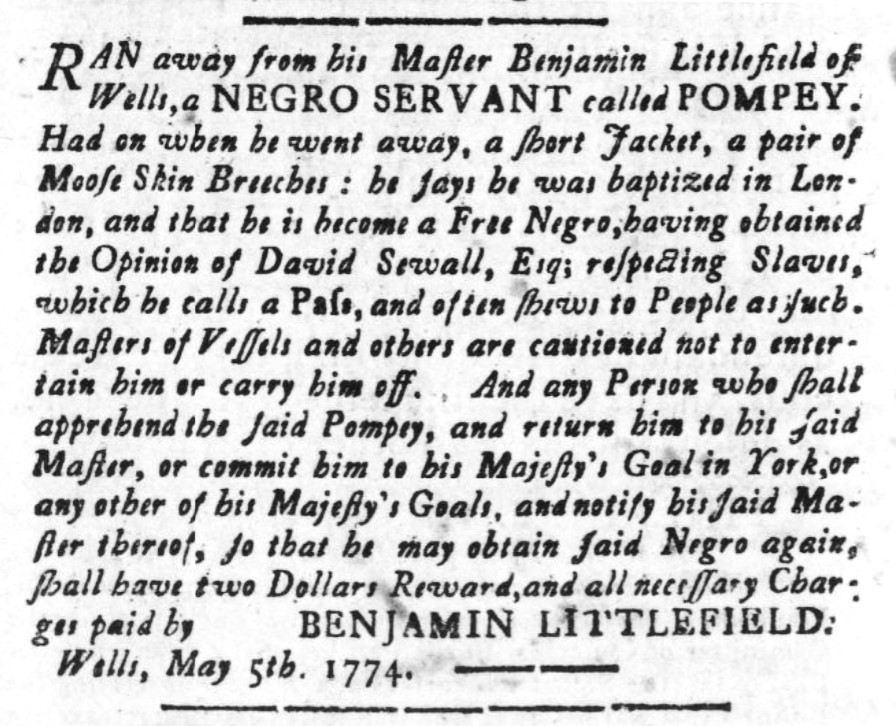
The Just History Database documents the often-overlooked histories of Black, Indigenous, and People of Color in Kennebunk and the surrounding towns of Wells, Kennebunkport and Arundel in Maine. Led by researcher Bill Grabin and supported by the Brick Store Museum, this project shares the stories of individuals who lived in the region before European colonization and through periods of enslavement and oppression.
Voices from the Newport Historical Society Archives
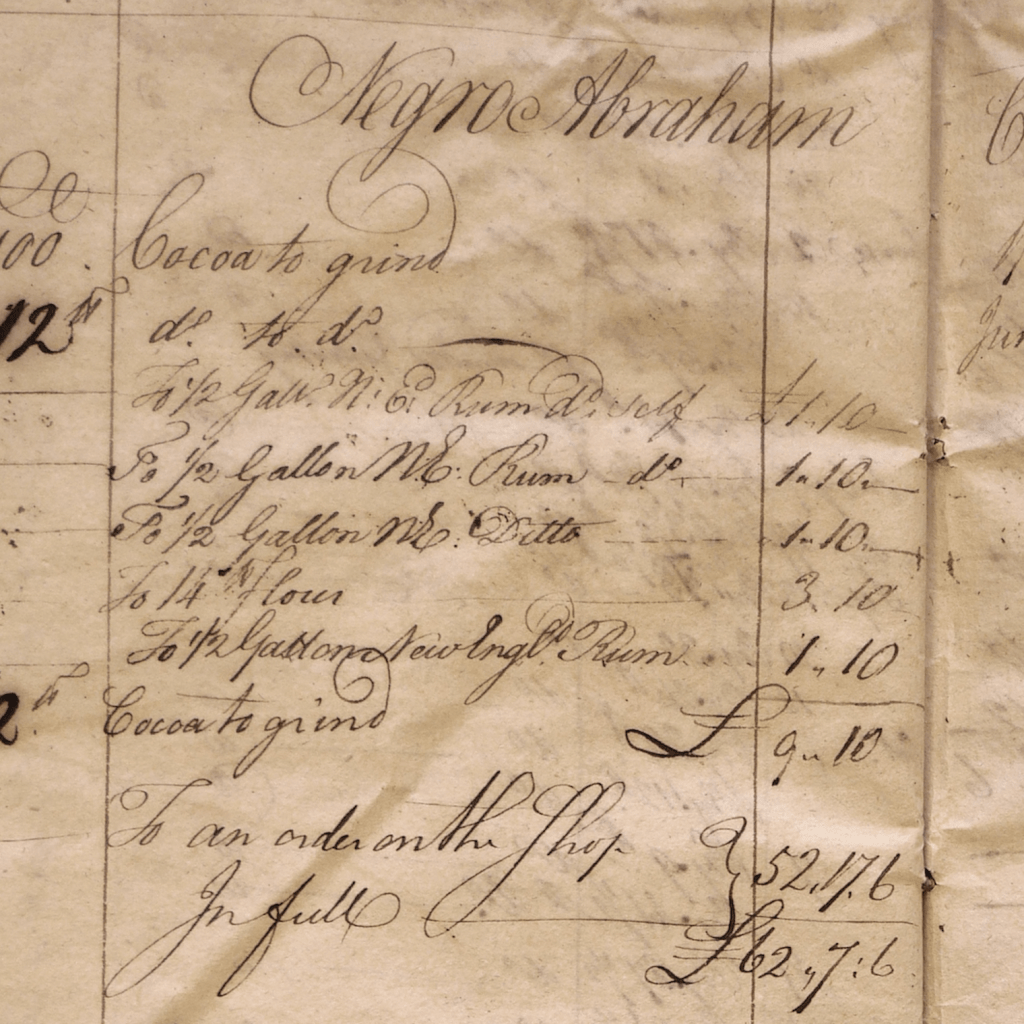
Voices from the Newport Historical Society Archives invites us to explore some of the names and stories of individuals of African and Indigenous descent who lived in Newport, Rhode Island during the 17th-19th centuries. You can learn about thousands of individuals—enslaved, manumitted, and free people of African and Indigenous descent, as well as enslavers, and slave traders.
Freedom on the Move
Rediscovering the Stories of Self-Liberating People
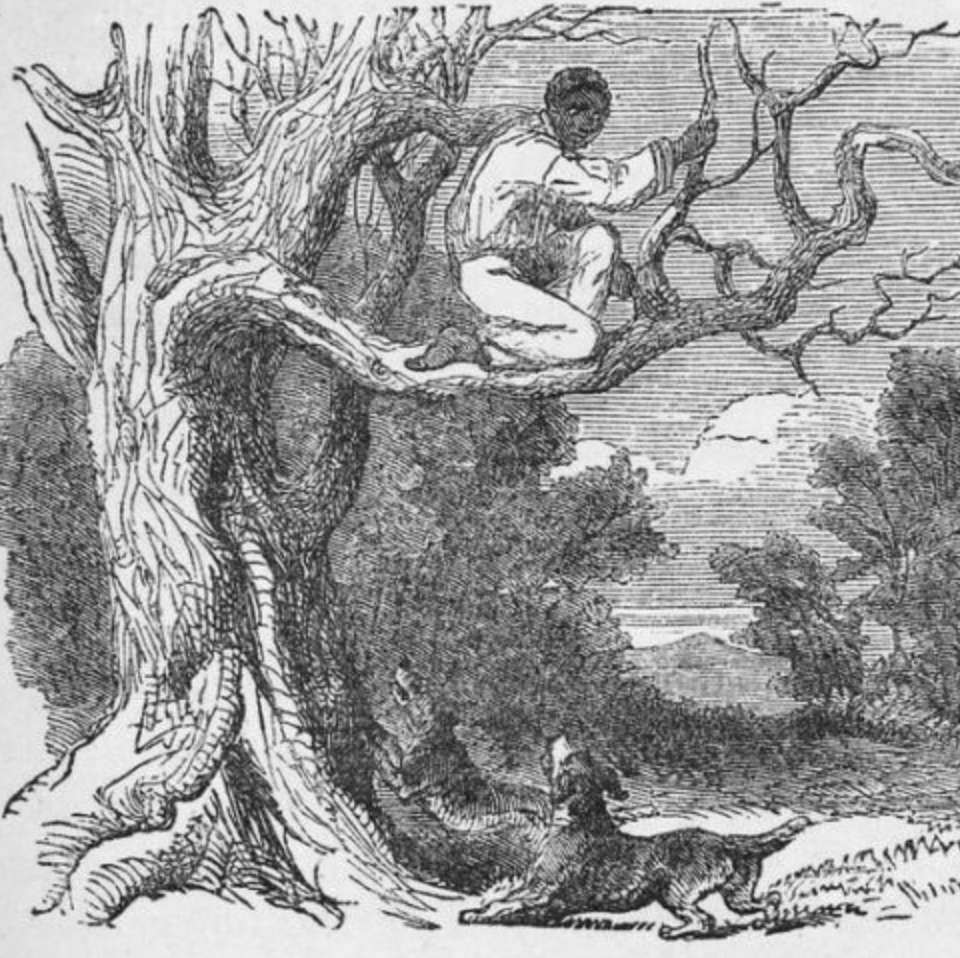
With the advent of newspapers in the American colonies, enslavers posted “runaway ads” to try to locate fugitives. Freedom On The Move is a searchable database of fugitives of American slavery. It is a collaboration of Cornell University, along with the University of Alabama, University of New Orleans, University of Kentucky, and Ohio State University.
Stolen Relations
Recovering Stories of Indigenous Enslavement in the Americas
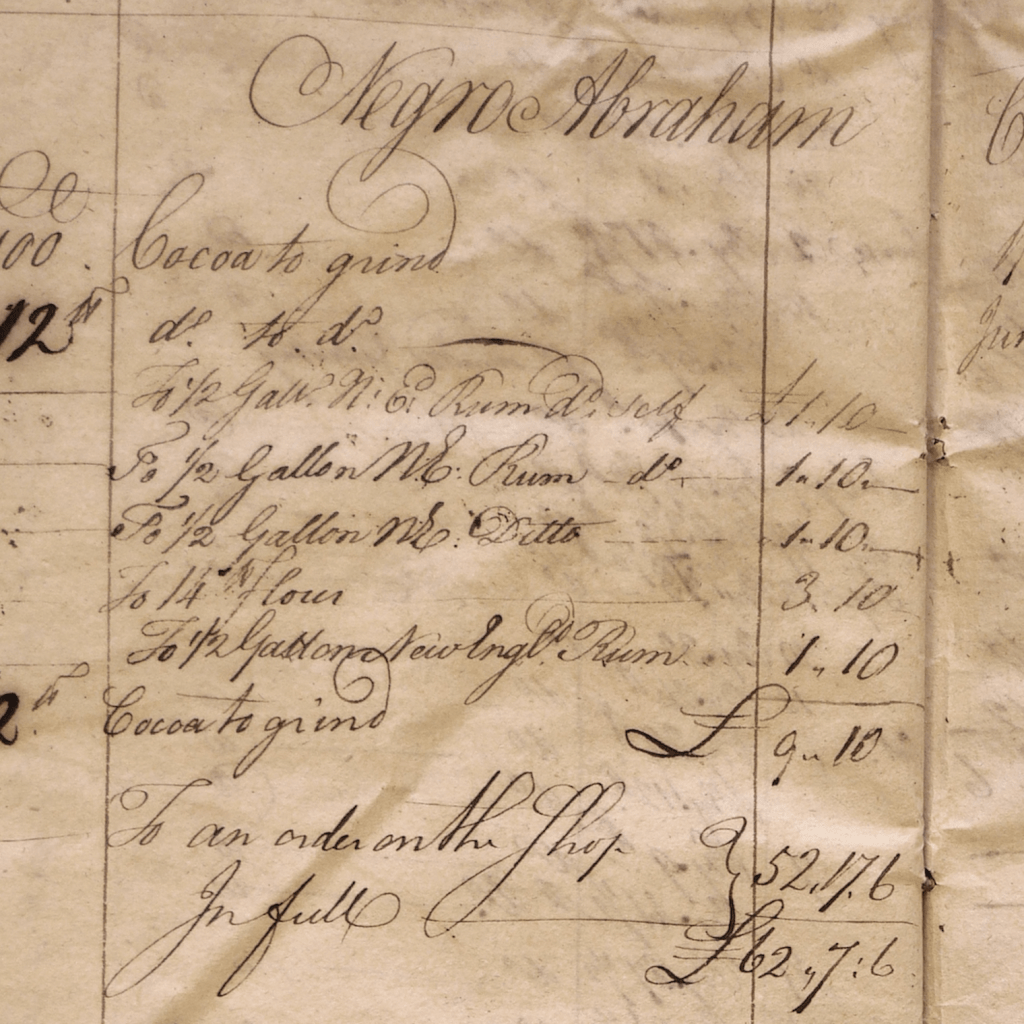
Housed at Brown University, Stolen Relations is a community-based effort to build a database of enslaved and unfree Indigenous people throughout time all across the Americas in order to promote greater understanding of the historical circumstances and ongoing trauma of settler colonialism. The site is under construction. Visit the About page to learn more about the project and how to contribute.
Northeast Slavery Records Index (NESRI)
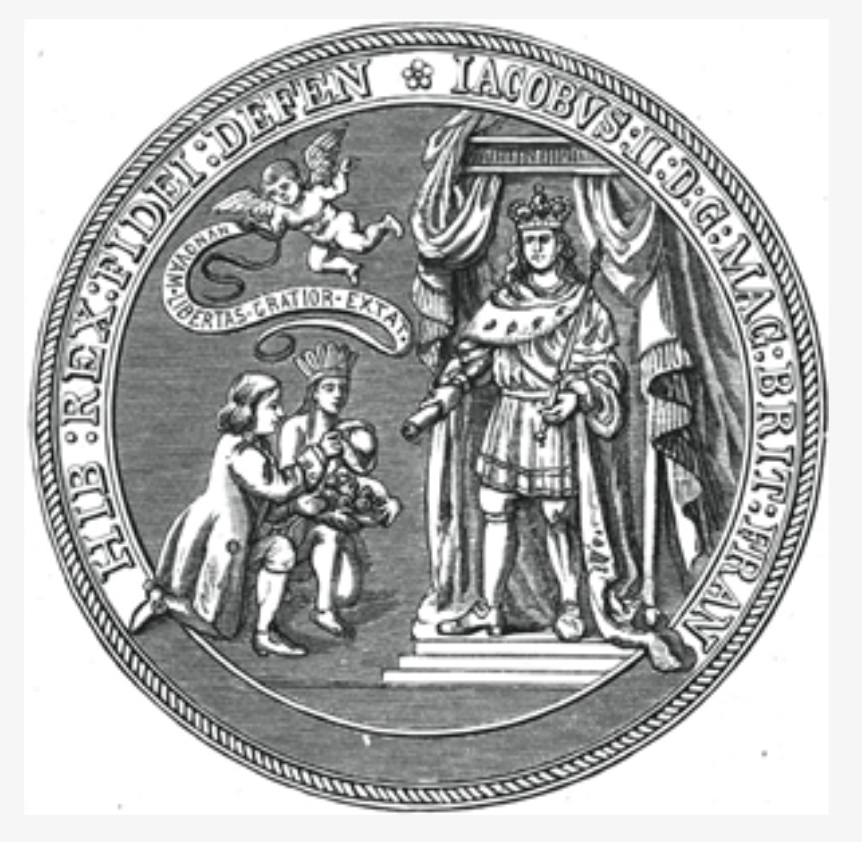
The Northeast Slavery Records Index (NESRI) is an online searchable compilation of records that identify individual enslaved persons and enslavers in the states of New York, Maine, New Hampshire, Vermont, Massachusetts, Rhode Island, Connecticut, New Jersey & Pennsylvania. NESRI indexes census records, slave trade transactions, cemetery records, birth certifications, manumissions, ship inventories, newspaper accounts, and more.

We need to preserve these important assets. We can’t whitewash our history.