
Saturday, February 28, 2026
starting at 8:00 am EST
Art in the Wake II: Repairing, Healing and Memory is the second symposium in Indigo Arts Alliance’s multiyear partnership with the National Museum of African American History and Culture’s (NMAAHC) Center for the Study of Global Slavery (CSGS).
Building on the 2023 inaugural program, Art in the Wake: Reckoning and Re-membering, our continued collaboration aims to highlight art’s unique ability to hold complexity, processing the weight of slavery and the legacies of colonialism while simultaneously inspiring visions of liberation and renewal.
The event will be live streamed starting at 8 AM EST for those who wish to join us virtually.
Convening an interdisciplinary and intergenerational group of artists, curators, and historians from across the United States and Brazil, Art in the Wake II: Repairing, Healing and Memory positions art not only as a critical record of the past, but as a living, generative force shaping the architecture of future possibilities.
Organized with the Museu Histórico Nacional and the Museu da História e da Cultura Afro-Brasileira (MUHCAB), this year’s symposium will take place on Saturday, February 28 at MUCHAB in Rio de Janeiro, Brazil.
Presenters include Dr. Scott Barton, IAA Executive Director Jordia Benjamin, Joyce Candeia, Eliana Alves Cruz, Adama Delphine Fawundu AiR Alum ’22, Dr. Paul Gardullo, A Gira, Keila Grinberg, Dr. Rachel Elizabeth Harding AiR Alum ’25, Chef Leila Leão, Dr. Aline Montenegro Magalhães, IAA Co-founders Daniel Minter & Marcia Minter, Dr. Diana Baird N’Diaye, Nilcemar Nogueira, Johanna Obenda, Nayla Oliveira, Gisele de Paula, Valquiria Pires, Eneida Sanches AiR Alum ’19, Dr. Baba Ivanir dos Santos, Edmilson Pereira dos Santos, Antonio Rocha AiR Alum ’21 + ’25, Sinara Rúbia, and Lucas Ururahy.
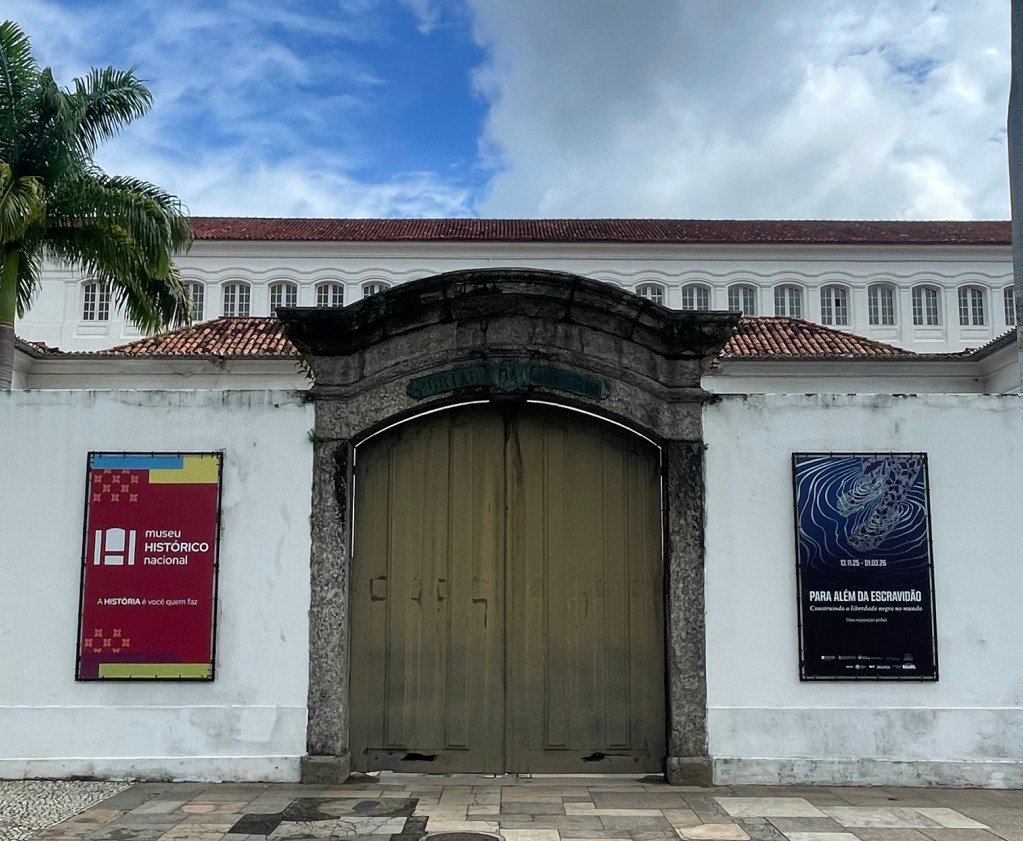
The Art in the Wake symposia series follows the traveling exhibition, “In Slavery’s Wake: Making Black Freedom in the World,” on view now through March 1, 2026, at (MHN) in Rio de Janeiro, Brazil. The exhibition is centered on the freedom-making practices of Black communities navigating both the histories and the legacies of racial slavery and colonialism.
